
USA and Canada fall back to standard time on 4th November

The leaves are turning yellow and red, coloring the neighborhoods with beautiful shades.
All this beauty reminds us that winter is coming, and so is the time change, which often comes as a bit of a surprise.
The USA and Canada will turn their clocks back one hour on Sunday 4 November 2012, at 02:00 local time.[1]
Some areas do not use daylight saving time, so their clocks do not change. For example, Hawaii, most of Arizona and Regina in Canada stay on standard time all year.
Update, 26 October 2026: The US rule is still the same: clocks go back one hour at 02:00 on the first Sunday of November; in 2026 it falls on 1 November 2026.[1] Hawaii, most of Arizona and Saskatchewan (Regina) still keep standard time all year.[1][2] Canada has changed a lot: Yukon stopped changing its clocks in 2020, and in 2026 British Columbia, Alberta, the Northwest Territories, Manitoba and northwestern Ontario stopped too, so they no longer turn their clocks back in November.[2] See also: USA and Canada move to standard time on November 3, 2013.
References
- Daylight Saving Time Rules, National Institute of Standards and Technology (NIST), accessed 26 October 2026.
- Daylight saving time in Canada, Wikipedia, accessed 26 October 2026.
Clock changes in 2026
Summer time (DST)Standard timeToday
Map: Powered by Esri | Esri, HERE, Garmin, © OpenStreetMap contributors, and the GIS user community
Latest time news
-
 Sunday 1 November 2026: Cuba does not turn its clocks back
Cuba does not turn its clocks back on 1 November 2026. It keeps summer time, UTC-4, until 7 November 2027, and schools and workplaces start 30 minutes later.
-
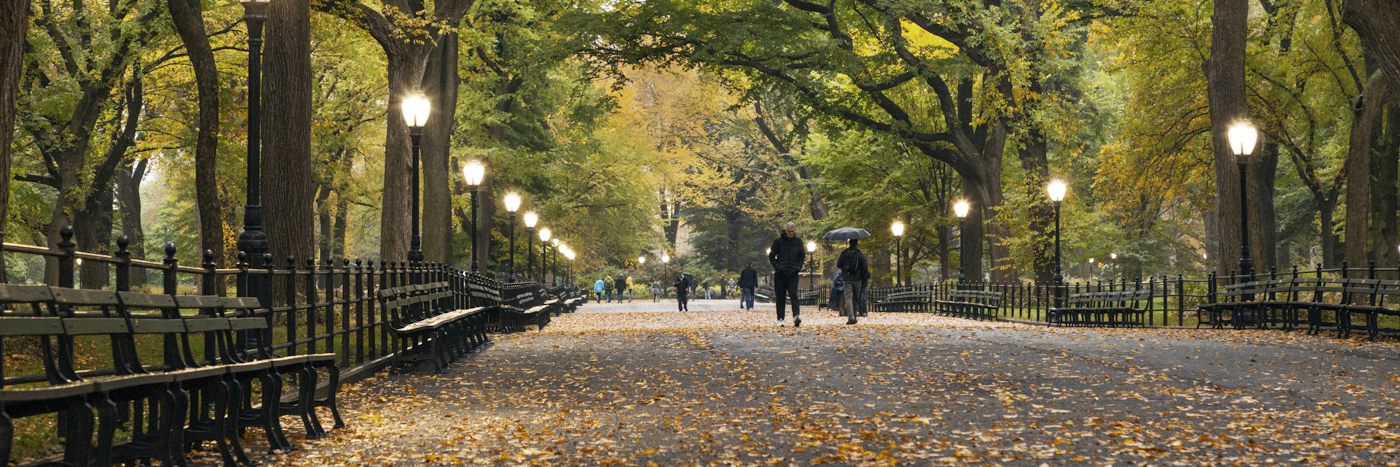 Sunday 1 November 2026: Clocks go back one hour in the USA
-
 Sunday 1 November 2026: Clocks go back on Mexico's border
-
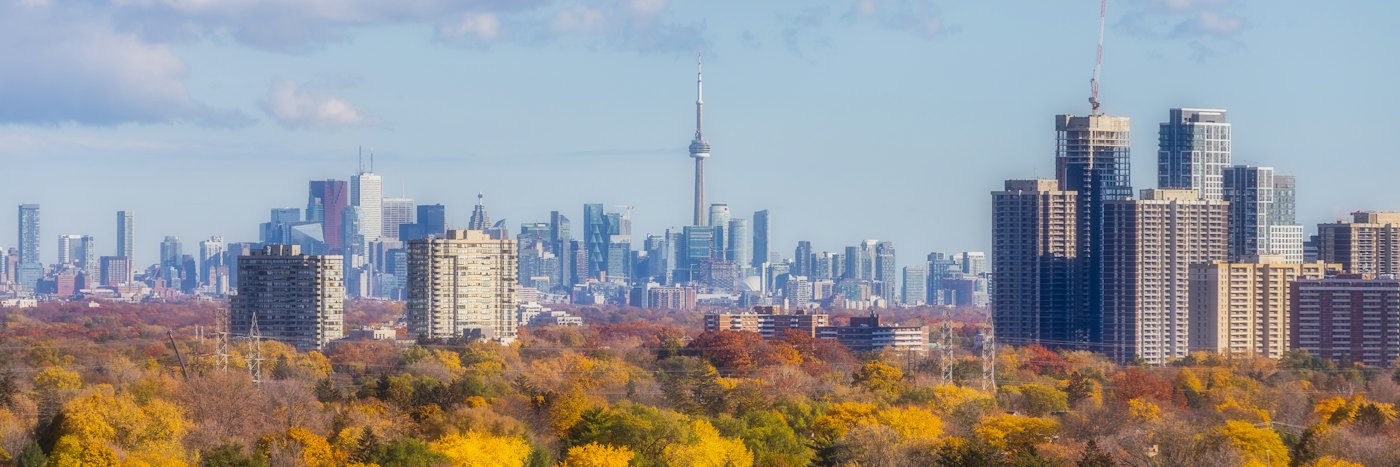 Sunday 1 November 2026: Clocks go back in eastern Canada
-
 Friday 30 October 2026: Clocks go back one hour in Egypt
Time now
Plan a call
Open the Meeting Time Planner →