
Sunday, October 27, 2013: Europe moves to standard time

Summer is over, and autumn rain and storms roll over Europe. On Sunday 27 October 2013, Europe moves back to standard time.[1]
Iceland, Belarus and Russia do not use daylight saving time, so their clocks do not change.[2]
The clocks go back on 27 October at these times:
Western Europe: 02:00 → 01:00
Central Europe: 03:00 → 02:00
Eastern Europe: 04:00 → 03:00
Update, 26 October 2026: The EU rule has not changed: clocks go back one hour on the final Sunday of October every year;[1] in 2026 that was 25 October 2026. An EU vote on ending the clock changes is expected in June 2027.[3] Since 2013, Russia has moved to permanent winter time (2014), and Turkey stopped changing its clocks in 2016: Ankara keeps UTC+3 all year.[2][4] Iceland and Belarus still keep one time all year.[2] See also: Europe moves to summer time on 31 March 2013 and Europe moves to standard time on 28 October 2012.
References
- Directive 2000/84/EC on summer-time arrangements, European Parliament and Council of the EU, 2001.
- Time zone database: Europe, Internet Assigned Numbers Authority (IANA), accessed 26 October 2026.
- Lithuania expects EU vote on ending seasonal clock changes in June 2027, LRT, 26 October 2026.
- Time Zone Database Release 2016g, Internet Assigned Numbers Authority (IANA), 13 September 2016.
Clock changes in 2026
Summer time (DST)Standard timeToday
Map: Powered by Esri | Esri, HERE, Garmin, © OpenStreetMap contributors, and the GIS user community
Latest time news
-
 Sunday 1 November 2026: Clocks go back one hour in the USA
Clocks go back one hour in the USA on Sunday 1 November 2026, at 02:00 local time. Who keeps the same time, and what changes with Canada and Mexico.
-
 Sunday 1 November 2026: Clocks go back on Mexico's border
-
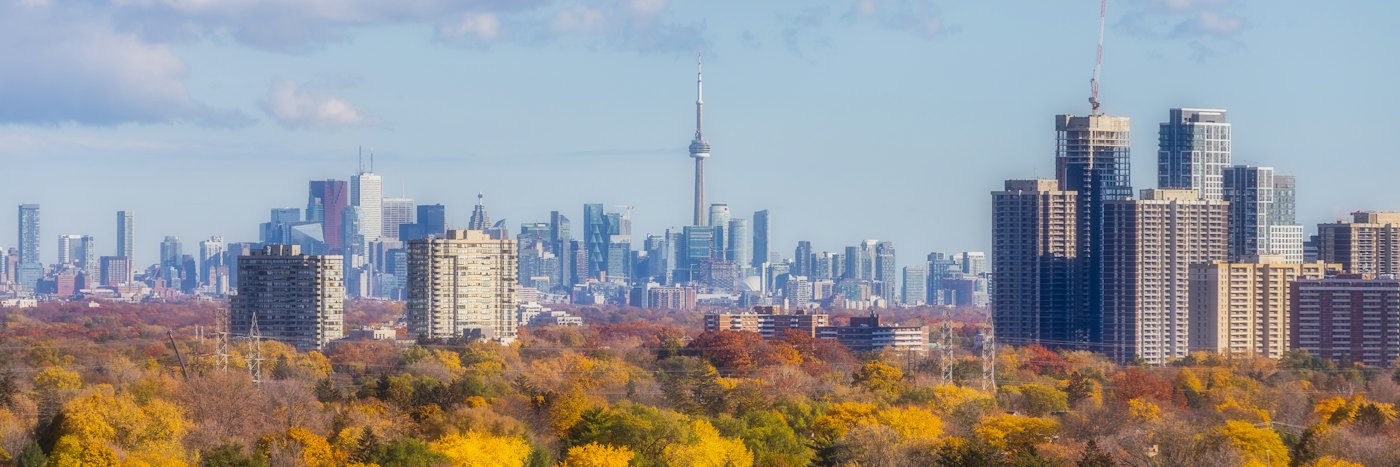 Sunday 1 November 2026: Clocks go back in eastern Canada
-
 Friday 30 October 2026: Clocks go back one hour in Egypt
-
 Sunday 25 October 2026: Clocks go back one hour in Europe
Time now
Plan a call
Open the Meeting Time Planner →